Drilling Industry Workers Urged To Protect Hearing
National Protect Your Hearing Month highlights the importance of protecting workers' hearing in loud industries. Noise-Induced Hearing Loss and tinnitus can cause permanent damage.
Original reporting · ishn.com
Original: “October is National Protect Your Hearing Month”
Read “October is National Protect Your Hearing Month” at ISHN →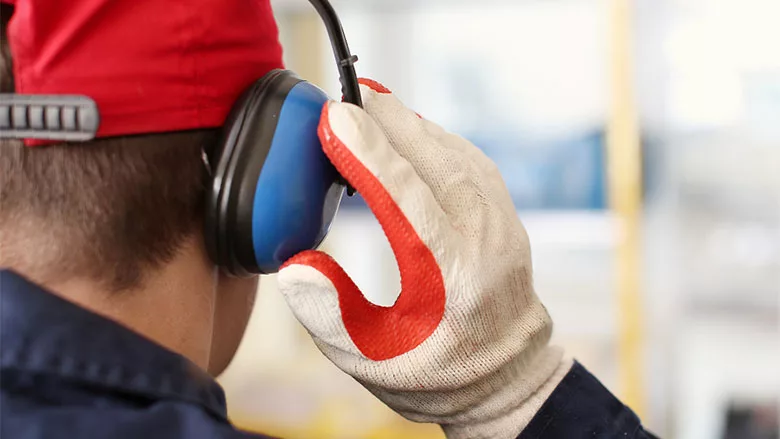
How this was written. A Safety Kit wrote this article with a language model from ISHN’s reporting (model: @cf/meta/llama-3.3-70b-instruct-fp8-fast); it describes that reporting rather than adding to it. The original, linked above, is the full story.
Key points from ISHN’s report
- Noise-Induced Hearing Loss and tinnitus can cause permanent damage to workers in loud industries.
- The drilling industry must prioritize hearing protection to prevent damage and elevate its standards.
- Proper hearing protection, such as earplugs or earmuffs, can help prevent damage by creating a dense acoustic barrier.
- OSHA requires a hearing conservation program when noise exposure hits 85 decibels averaged over an eight-hour shift.
- Workers can take steps to protect their hearing by wearing proper protection and being aware of the risks of loud noise.
The drilling industry is known for its loud environment, with sounds from diesel engines, mud pumps, and casing hammers creating a deafening roar. Workers often tune out the noise while on the job, but prolonged exposure can lead to permanent damage, including Noise-Induced Hearing Loss (NIHL) and tinnitus. According to ISHN, this damage can be a slow and gradual process, making it a silent epidemic for workers in construction, warehouse, and other facilities with loud noise.
October is National Protect Your Hearing Month, a time to raise awareness about the importance of protecting workers' hearing. The drilling industry, in particular, needs to rethink how it approaches personal health and protective equipment, as accepting hearing loss as 'part of the job' is no longer acceptable. Professionalism starts with making healthy choices for oneself and one's crew, and this includes prioritizing hearing protection.
The damage caused by loud noise is permanent and irreversible. Sound travels in invisible waves of kinetic energy, and when a loud noise is made, it sends a shockwave of air pressure into the ear canal, colliding with the eardrum and causing it to vibrate. This vibration is then transferred to the inner ear, where it can damage the delicate hair cells responsible for converting sound waves into electrical signals for the brain.
Prolonged exposure to heavy industrial noise can destroy these hair cells, leading to permanent hearing loss. Hearing protection works by creating a dense acoustic barrier that dampens the amplitude of incoming sound waves, absorbing the kinetic energy and protecting the inner ear. This is why it is essential for workers in loud industries to wear proper hearing protection, such as earplugs or earmuffs, to prevent damage.
To understand the threat of loud noise, it is essential to look at the numbers. The Occupational Safety and Health Administration (OSHA) requires a hearing conservation program when noise exposure hits 85 decibels (dB) averaged over an eight-hour shift. A simple rule of thumb is that if workers need to shout to be understood by a coworker standing just three feet away, the decibels are already beyond 85.
The drilling industry must take steps to protect workers' hearing and prevent NIHL and tinnitus. This includes providing proper hearing protection, implementing hearing conservation programs, and educating workers about the risks of loud noise. By prioritizing hearing protection, the industry can elevate its standards and attract top talent, while also treating its trade with respect.
The Driller, a publication that covers the people, equipment, and techniques in the drilling industry, emphasizes the importance of hearing protection. As ISHN reported, the drilling industry must rethink its approach to personal health and protective equipment to prevent the permanent and irreversible damage caused by loud noise.
Questions and answers
What is Noise-Induced Hearing Loss?
Noise-Induced Hearing Loss is a type of permanent damage caused by prolonged exposure to loud noise, which can lead to hearing loss and tinnitus.
How can workers protect their hearing?
Workers can protect their hearing by wearing proper hearing protection, such as earplugs or earmuffs, and being aware of the risks of loud noise.
What is the decibel level at which OSHA requires a hearing conservation program?
OSHA requires a hearing conservation program when noise exposure hits 85 decibels averaged over an eight-hour shift.


