Employers Rely On Automation Amid Hiring Decline
Employers are using automation to address a lack of entry-level hiring, which may impact future growth. This strategy may have long-term consequences.
Original reporting · hrdive.com
Original: “Lack of hiring now will create a ‘missing rung’ that may topple growth”
Read “Lack of hiring now will create a ‘missing rung’ that may topple growth” at HR Dive →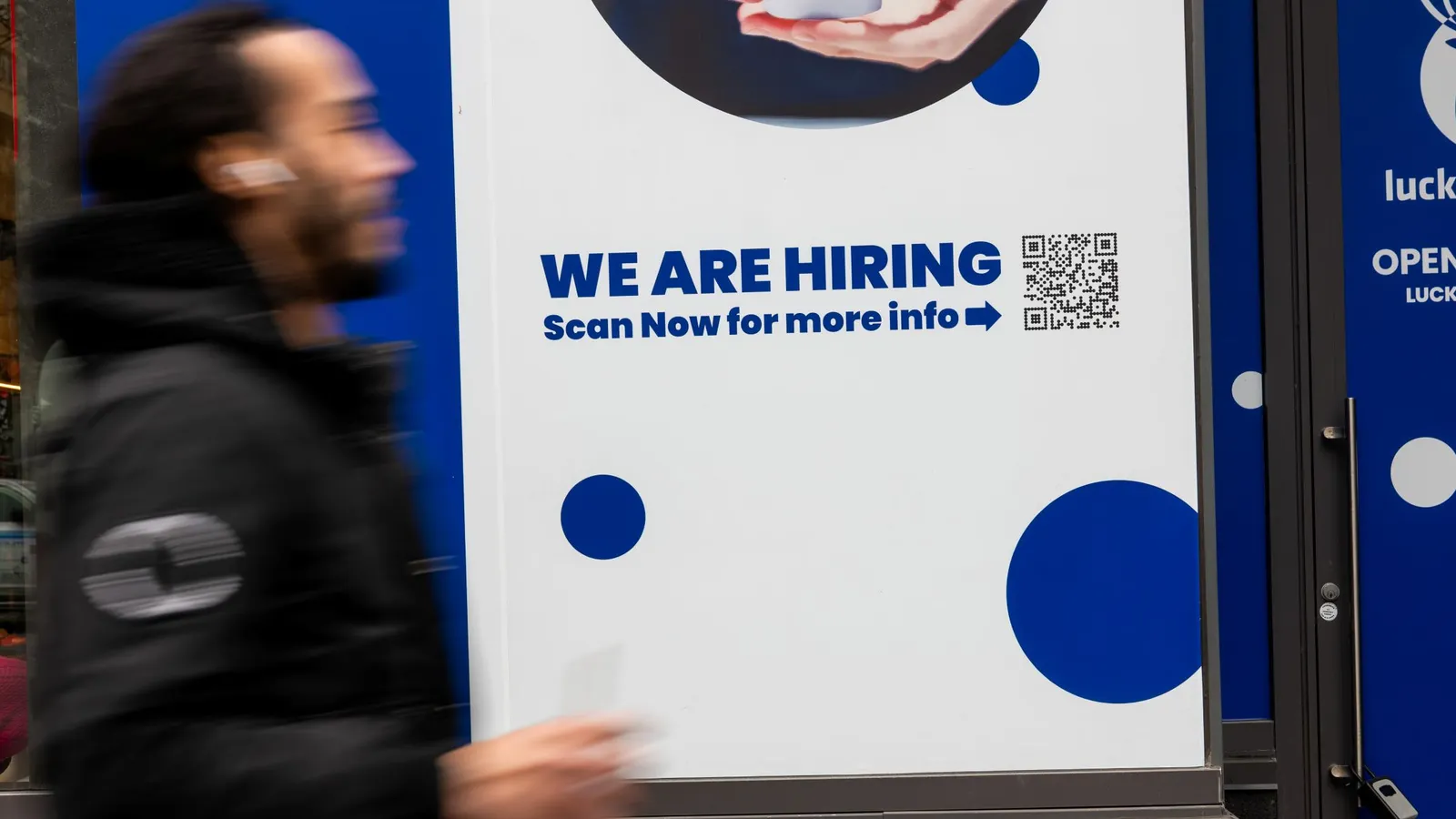
How this was written. A Safety Kit wrote this article with a language model from HR Dive’s reporting (model: @cf/meta/llama-3.3-70b-instruct-fp8-fast); it describes that reporting rather than adding to it. The original, linked above, is the full story.
Key points from HR Dive’s report
- Employers are using automation to address entry-level hiring shortages.
- This approach may lead to a 'missing rung' in organizational structures.
- The lack of entry-level hiring may impact future growth and promotion opportunities.
Employers are currently relying on automation to cover the lack of entry-level hiring. According to HR Dive, this approach may have significant implications for the future.
By not hiring entry-level employees now, employers may face a 'missing rung' in their organizational structure. This gap could affect their ability to promote employees in the future.
The use of automation to address hiring shortages may provide short-term solutions, but it may not be a viable long-term strategy. As a result, employers may need to reassess their hiring practices to ensure they have a steady pipeline of talent.
Questions and answers
What are employers using to cover entry-level hiring shortages?
Employers are using automation to cover the lack of entry-level hiring.
What may be the long-term consequence of not hiring entry-level employees?
The lack of entry-level hiring may lead to a 'missing rung' and impact future growth and promotion opportunities.